 CLEOPATRA’S WORLD
JEWELRY GUIDES
How to Keep Your Jewelry Looking Beautiful
Publication date pending
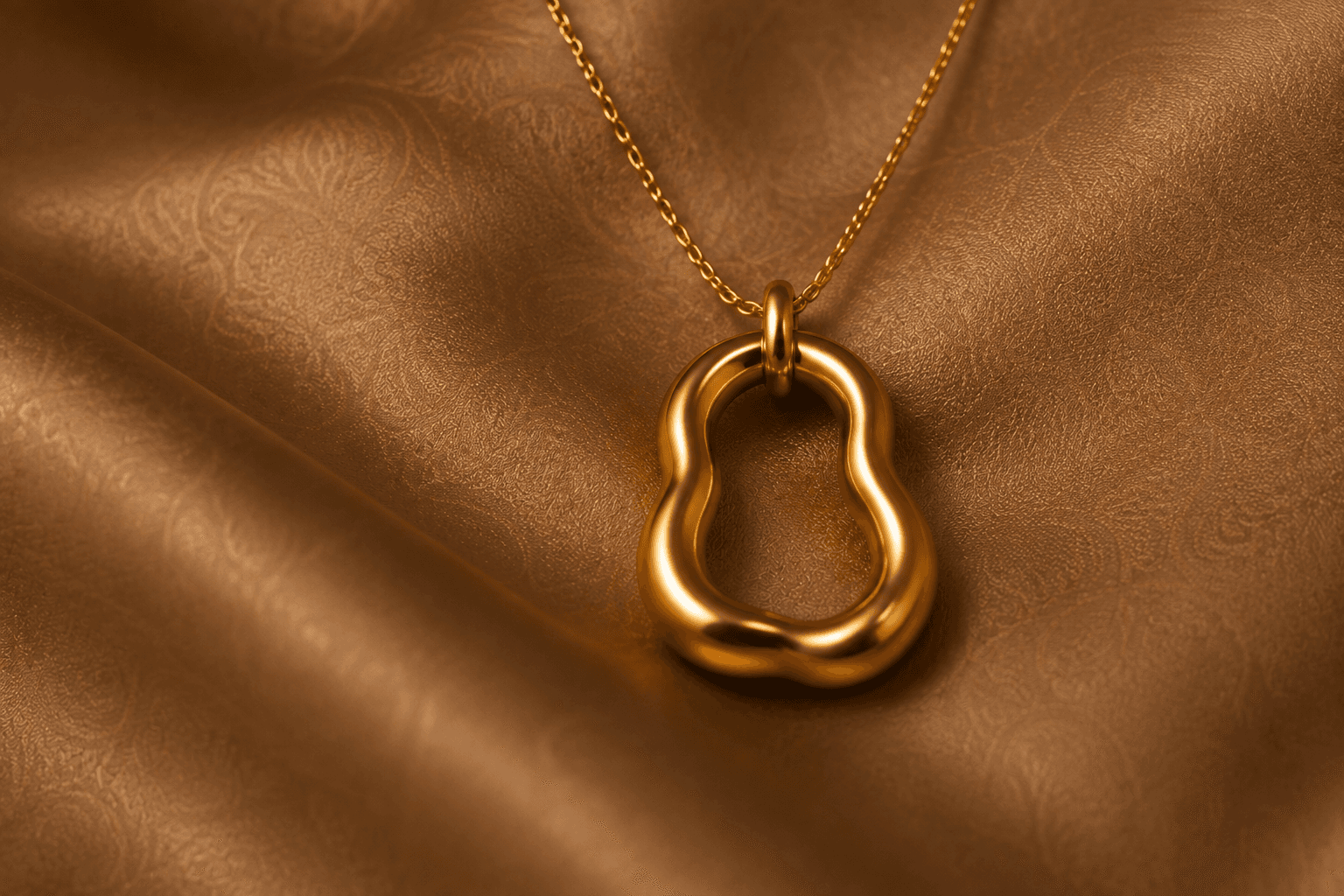
The pieces you reach for every morning deserve a little attention at the end of the day. A necklace that completes your outfit, a ring that feels like your signature or earrings chosen for a special evening can all benefit from small, consistent habits. Jewelry care need not be complicated. It starts with noticing what each piece is made from and treating it accordingly.
Cleopatra’s World includes sterling silver, gold-plated sterling silver, gold-plated stainless steel, crystals, decorative beads and CZ stones. These materials and finishes do not all respond to water, friction or cleaning products in the same way. Check the materials on the individual product page and follow any care instructions supplied with your piece. The advice below is a cautious starting point, not a promise that every item will behave alike.
Keep Your Jewelry Away From Water and Moisture
Make taking off your jewelry part of getting ready to shower, swim or soak in a bath. Even when a base metal resists corrosion, a plated finish, a string of beads or a stone setting may need different care. Chlorinated pool water, salt water and repeated moisture exposure are best avoided unless the specific item’s instructions clearly allow them.
If a piece gets wet accidentally, gently blot it with a clean, soft cloth and let it dry fully before putting it away. Do not use a hairdryer or place it on a radiator. Keeping a small dish in a dry room makes removal convenient without leaving delicate pieces beside a damp sink.
Apply Perfume and Beauty Products Before Wearing Jewelry
Put on perfume, body lotion, sunscreen and hair products before adding your jewelry, then allow them to dry. Spraying fragrance directly onto a necklace or earrings can leave residue on metal and decorative details. This simple order helps reduce contact with ingredients that may affect a finish.
Think of jewelry as the final detail when dressing and the first thing to remove when changing. Wipe away everyday residue gently after wearing it. There is no need to polish enthusiastically: light handling is especially important for gold-plated surfaces.
Store Each Piece With Care
Give pieces their own space in a soft-lined box or separate pouches. Hard edges, clasps and stones can scratch neighbouring surfaces, while loose chains easily become tangled. Fasten a necklace before storing it and lay it gently rather than pulling it tight around another piece.
Choose a dry spot away from direct sunlight and bathroom humidity. For sterling silver, a suitable anti-tarnish pouch may help limit exposure to air; it cannot guarantee that tarnish will never appear. Before closing any container, check that both the jewelry and its lining are dry.
Clean Your Jewelry Gently
Start with a soft, clean, dry cloth. Support the piece with one hand and lightly wipe the surface with the other. Be careful around fine chains, prongs, beads and decorative stones. Do not tug at a setting or try to remove a stone to clean underneath it.
For persistent dirt or tarnish, seek advice suited to the exact material and finish. A silver-polishing cloth designed for unplated silver is not automatically suitable for gold-plated silver, coatings or decorative stones. Avoid treating toothpaste, baking soda, abrasive powders, chemical dips, ultrasonic machines or prolonged soaking as universal solutions. If you are unsure, stop rather than experiment.
Avoid Wearing Jewelry During Sports and Household Chores
Remove jewelry before exercising, cleaning, gardening or doing tasks that put pressure on your hands. Sweat, cleaning sprays, detergents, knocks and repeated rubbing can all affect delicate details. Rings and bracelets are particularly easy to catch on equipment or hard surfaces.
Set your pieces somewhere secure before starting, instead of balancing them on a counter edge or dropping them into a pocket with keys. Keeping a pouch in your everyday bag gives you a practical place to store jewelry when your plans change.
Handle Gold-Plated Jewelry With Extra Care
Gold plating is a surface layer over another metal; it is not the same as solid gold. Repeated friction and unsuitable cleaning can wear that layer over time. Treat plated sterling silver and plated stainless steel gently, even though their underlying metals differ.
Avoid vigorous polishing, rubbing pieces against one another or assuming that a cleaning product marked for gold is appropriate for every plated item. If a finish looks worn or a clasp feels loose, ask for material-specific advice before attempting a repair. Care can help reduce avoidable wear, but it does not make a coating permanent.
Make Jewelry Care Part of Your Routine
A brief check after wearing is often more useful than occasional intensive cleaning. Notice whether a clasp closes properly, a chain has caught or a stone appears loose. If something seems damaged, put the piece aside until it can be assessed rather than continuing to wear it.
Keep your cloth and storage pouches together so the routine feels effortless: remove, inspect, gently wipe and store. Following the instructions for each material helps you enjoy your collection with confidence, without relying on blanket claims about waterproofing or resistance to wear.
Good care is a quiet way of appreciating the pieces that tell your story. Take a moment to protect their finish, give them space and choose the gentlest approach. Discover the collection with the same care you bring to the jewelry you already love.
Beautiful jewelry deserves beautiful care.
Explore the collection